About ModernMove
A Clearer Way To Build Contemporary Movement
UNDERSTAND THE PATH BEFORE ADDING SPEED
The course approach focuses on how movement works before asking for bigger shapes or faster choreography. Weight shifts, musical counts, arm pathways, turns, and level changes are practiced in smaller parts so balance, timing, and coordination remain easier to follow.
BREAK CHOREOGRAPHY INTO SHORT PHRASES
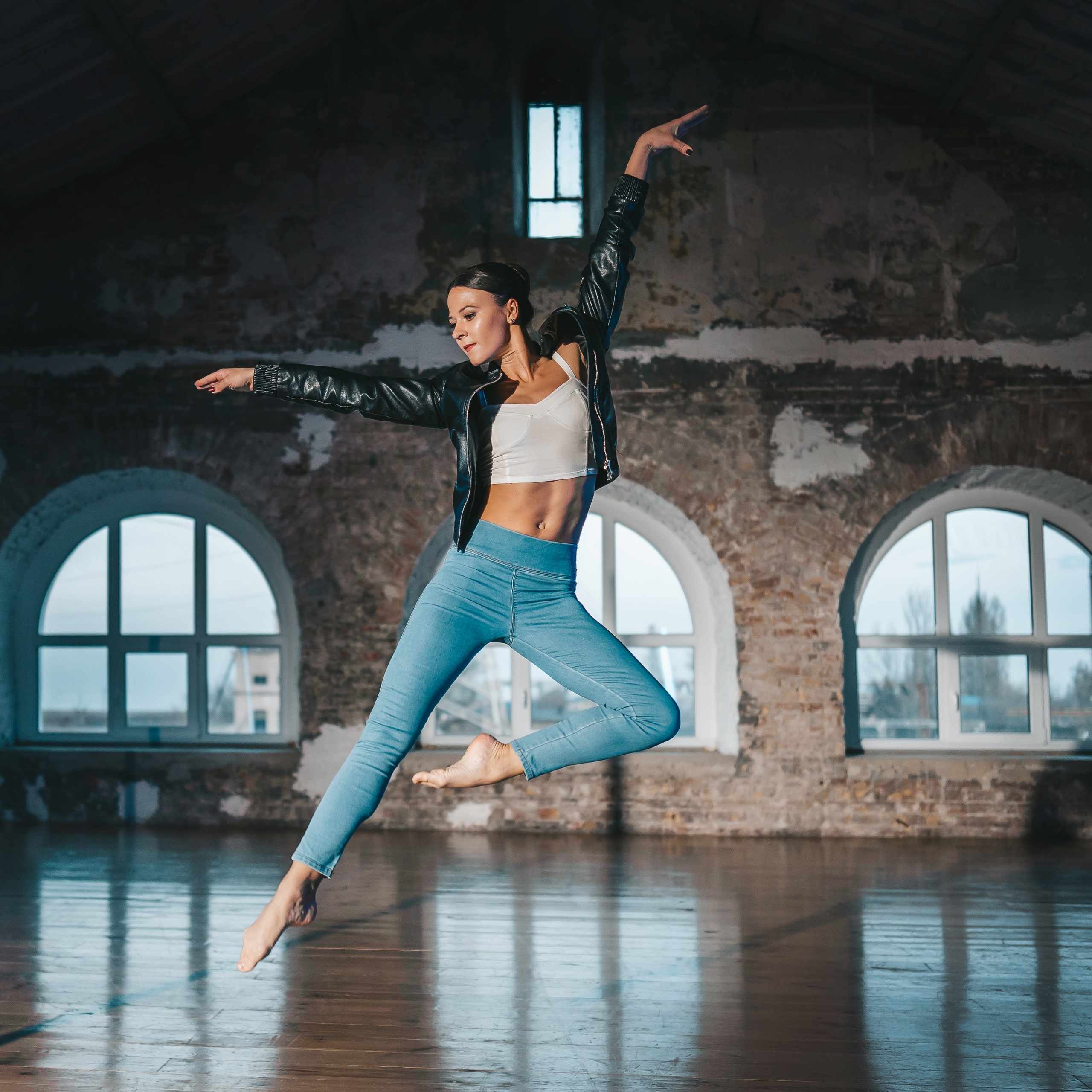
Short sections make it easier to remember the sequence while keeping track of weight placement, direction, and timing.
USE COUNTS TO ORGANIZE THE MOVEMENT
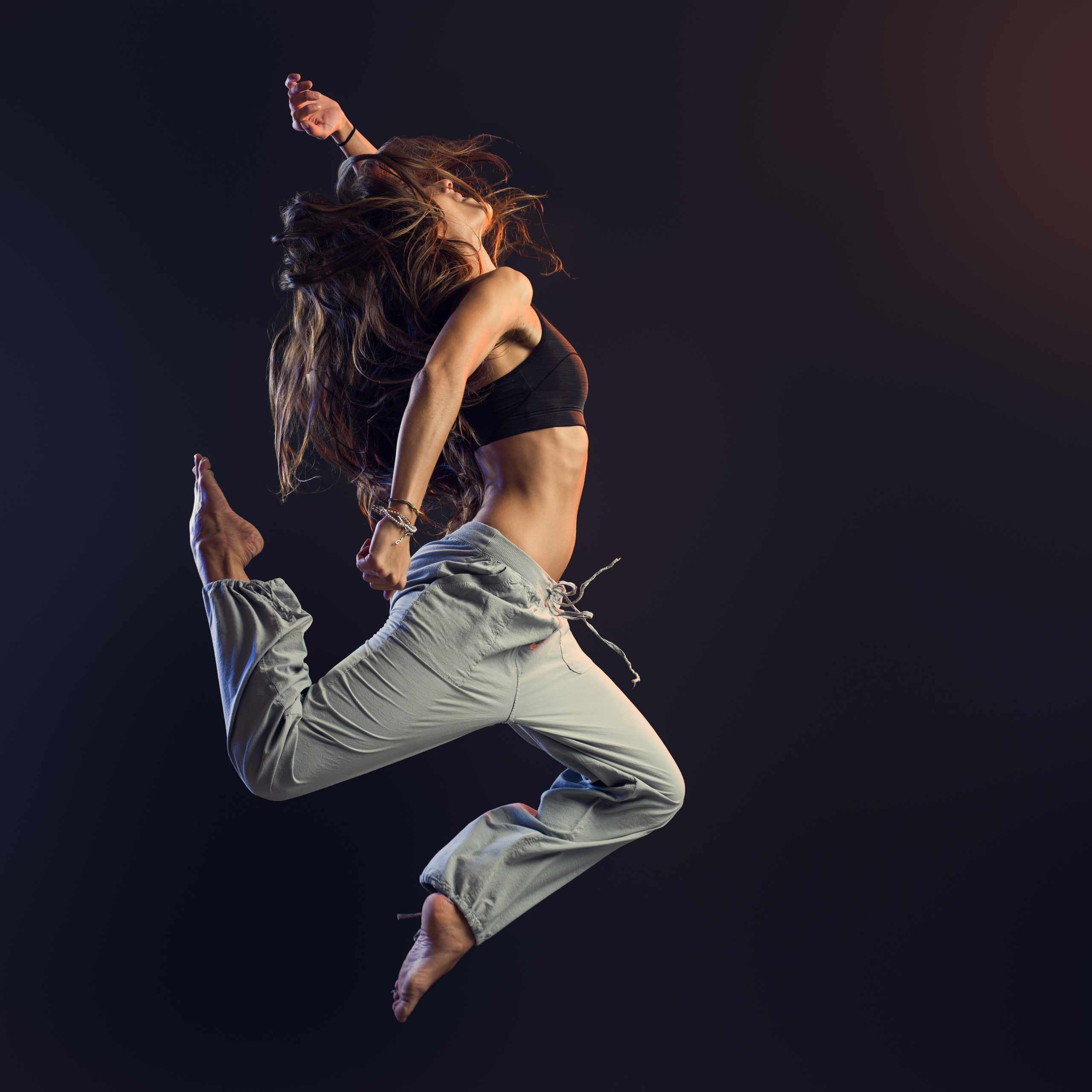
Repeating a phrase with clear counts helps connect steps to the beat before musical accents and tempo changes are added.
CHECK BALANCE BEFORE INCREASING SPEED
Turns, pivots, and level changes are easier to control when the supporting foot and body position are settled first.
Notice Before Repeating
Repetition works better when it has a purpose. A practice pass can focus on shoulder tension, the supporting foot, musical counts, or one transition instead of repeating the whole combination without a clear check.
Control The Transitions
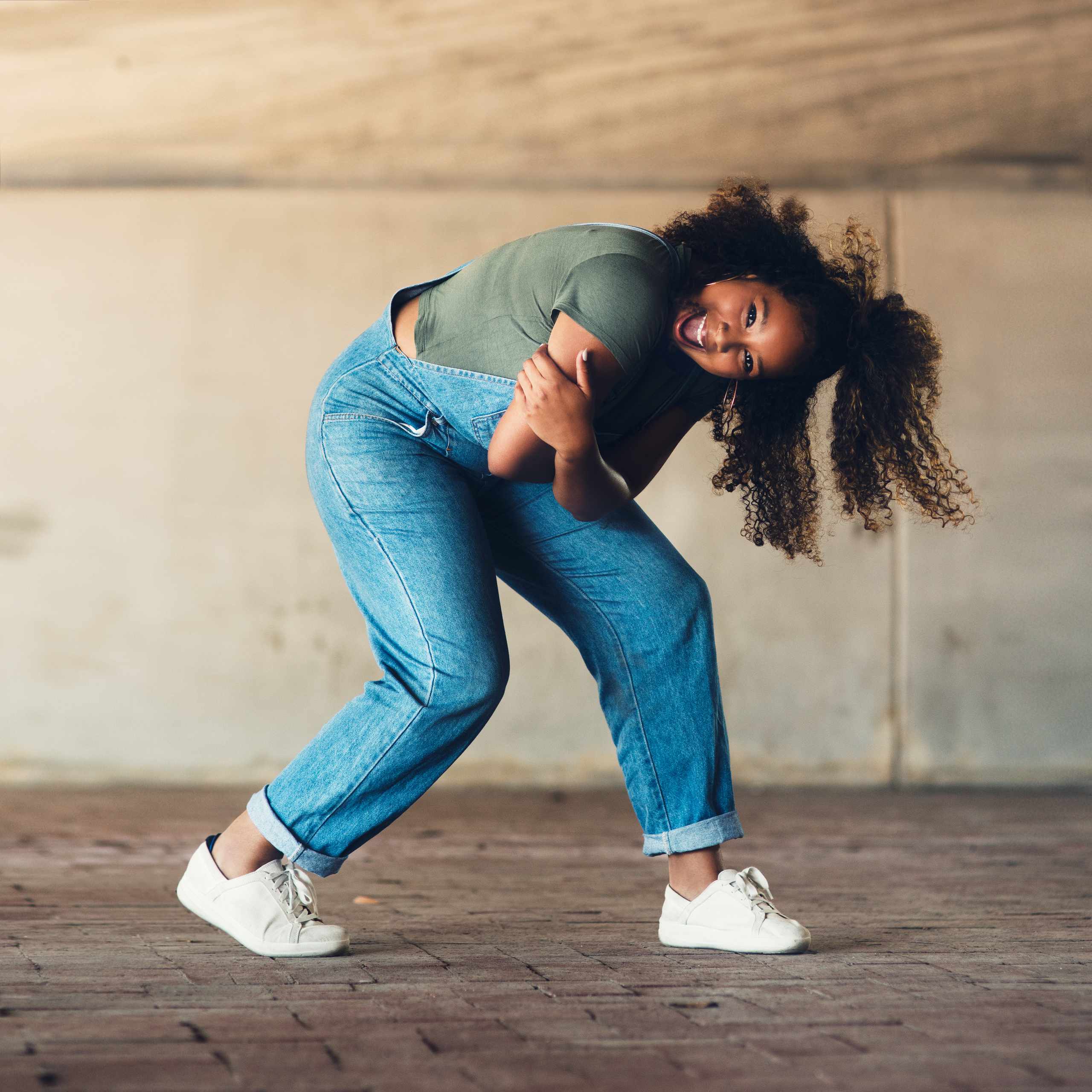
The space between two movements matters as much as the positions themselves. Slower practice helps connect bends, direction changes, turns, and floorwork without abrupt stops or rushed weight transfers.
Build From Small To Full
Marking choreography with a smaller range makes coordination easier to organize. Once the pathway, timing, and balance feel clearer, the same phrase can be repeated with fuller movement and stronger musical accents.
THE PRACTICE STAYS FOCUSED ON MOVEMENT YOU CAN ACTUALLY CHECK
FROM BASIC WEIGHT SHIFTS TO CONNECTED MOVEMENT PHRASES
Progress Comes From Clearer Control
Improvement can mean recognizing the supporting foot sooner, keeping closer to the count, connecting transitions with fewer pauses, or approaching a turn and controlled descent with better preparation.