Move with rhythm, balance, and control.
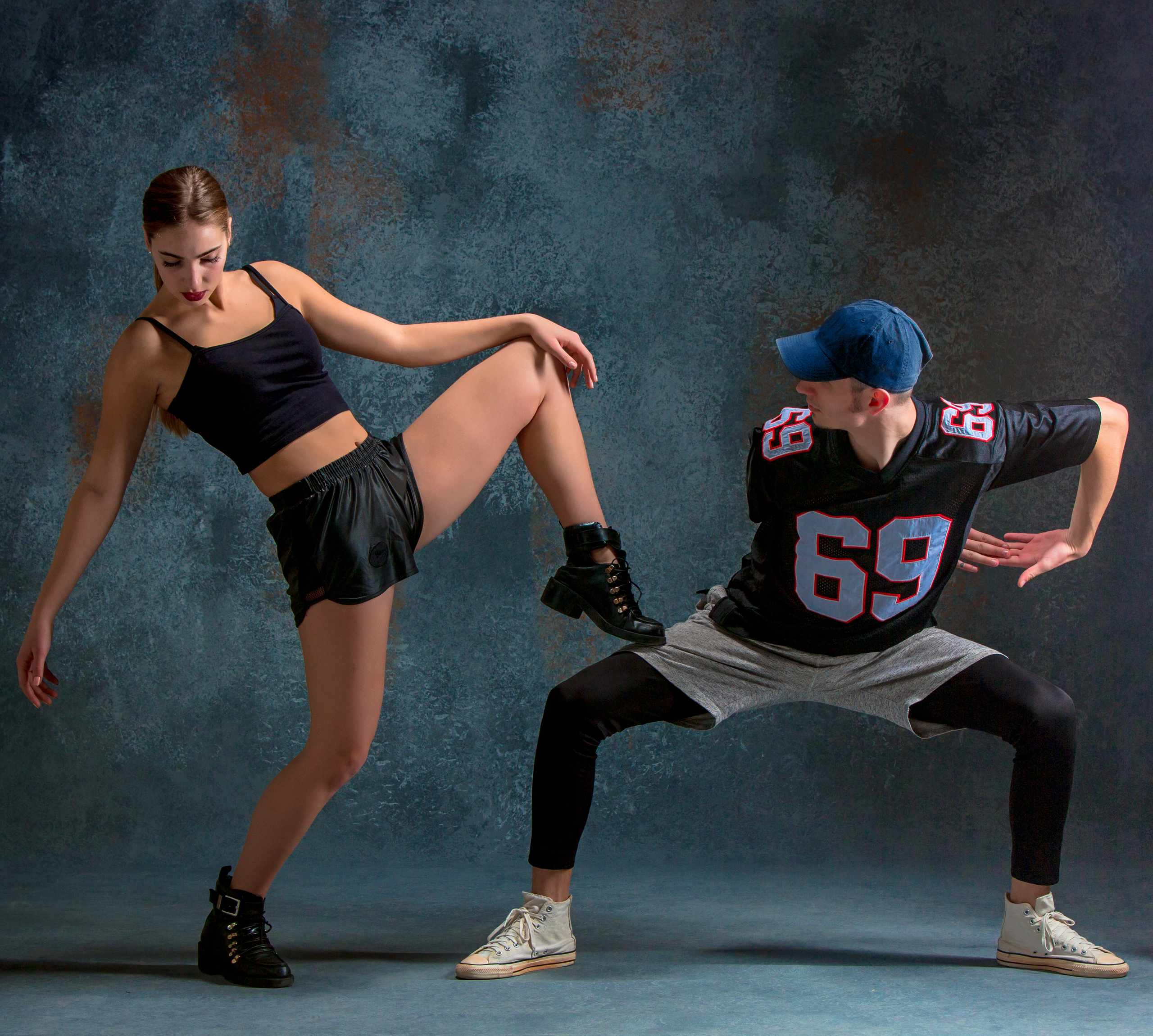
Build Contemporary Dance From The Basics
PRACTICE MOVEMENT IN CLEAR, MANAGEABLE PARTS
Work with weight shifts, musical counts, turns, arm pathways, level changes, and short combinations. Movements are broken into smaller phrases so you can notice where your balance sits, how the torso connects with the legs, and what needs attention before adding more speed.
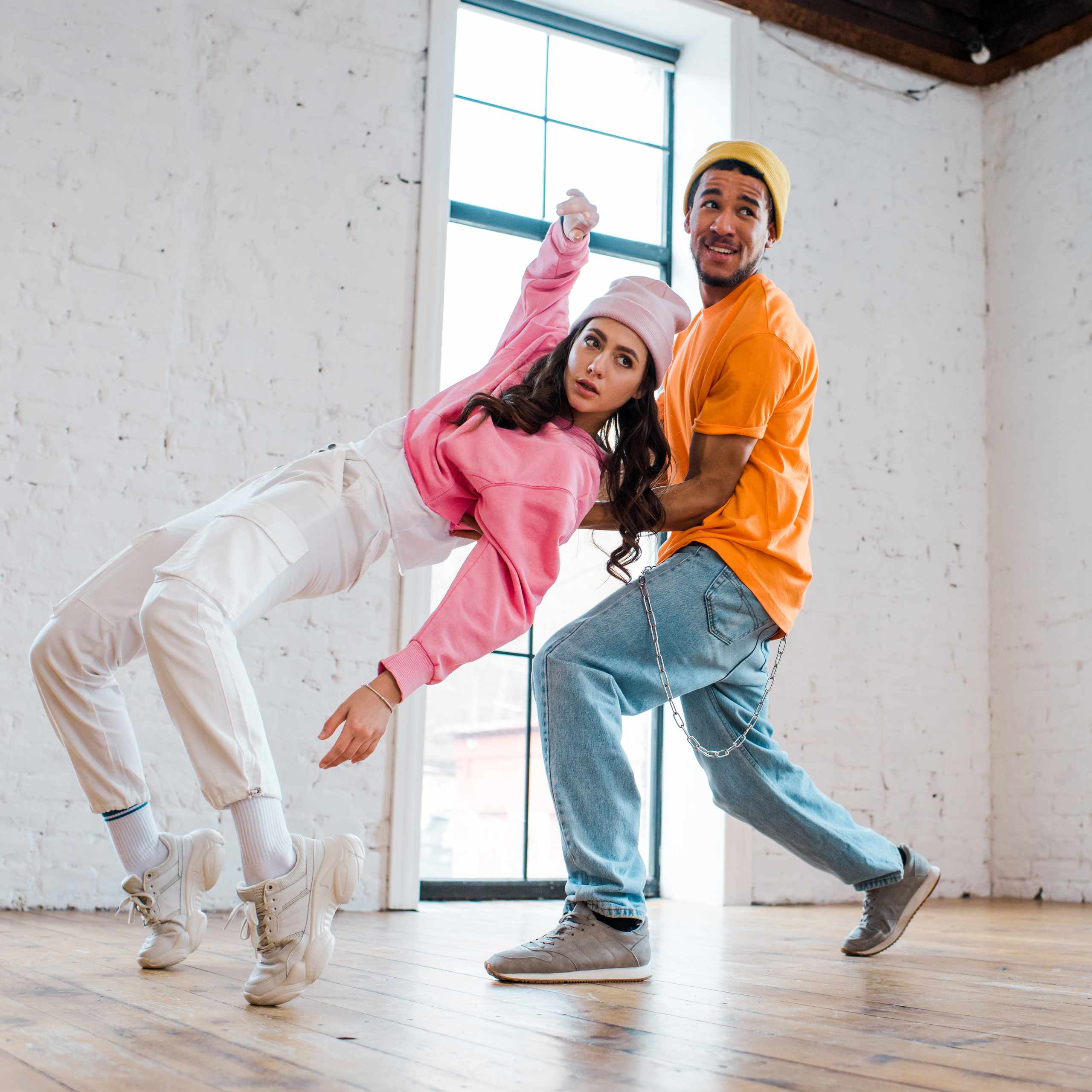
FEEL WHERE YOUR WEIGHT MOVES
Practice transfers slowly so each step begins from a stable supporting foot instead of a rushed change of
direction.
CONNECT THE WHOLE BODY
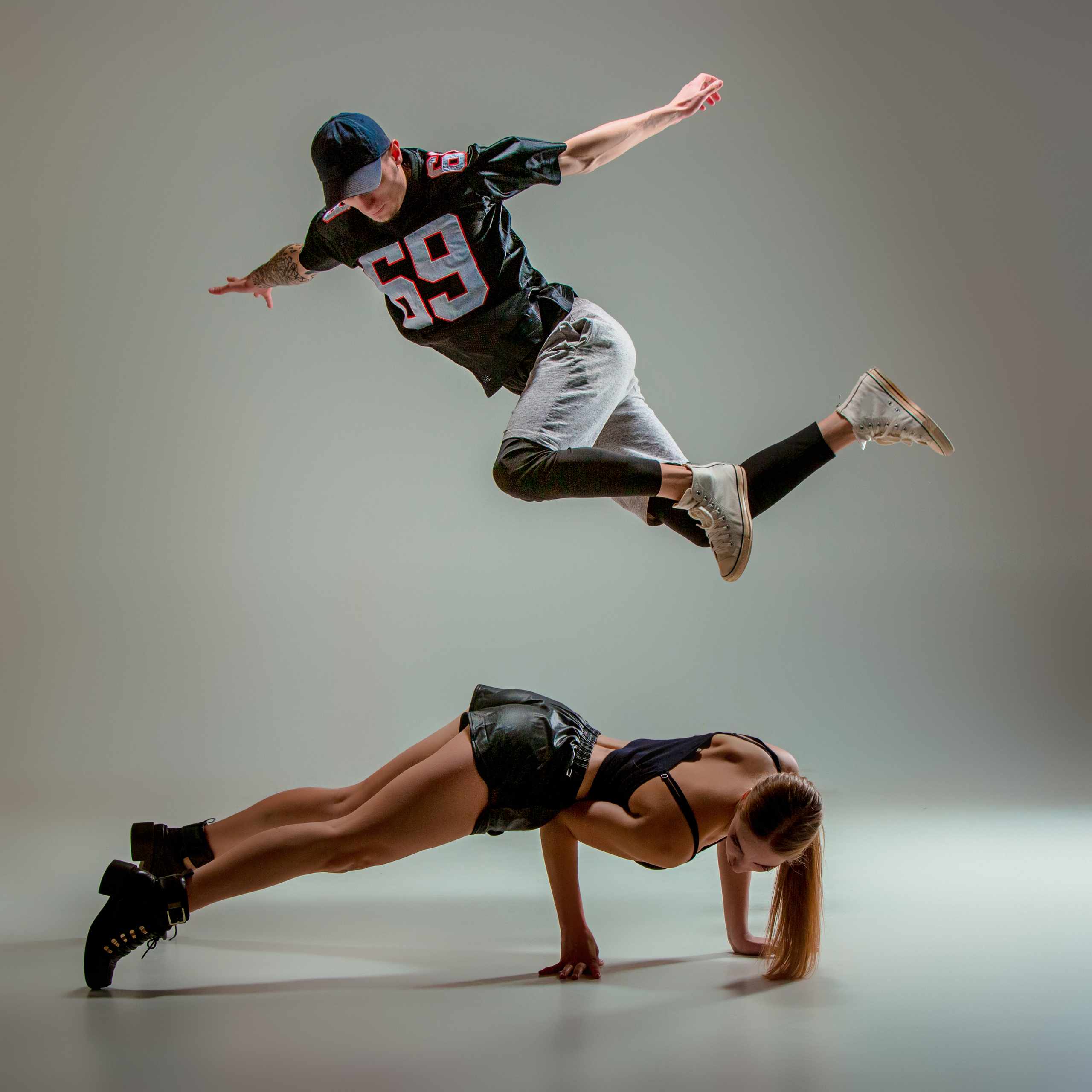
Work on arm pathways, torso movement, and footwork together so combinations feel connected rather than assembled from separate parts.
FOLLOW COUNTS WITHOUT RUSHING
Repeat short phrases with clear counts and musical accents before increasing tempo or making the movement larger.
-
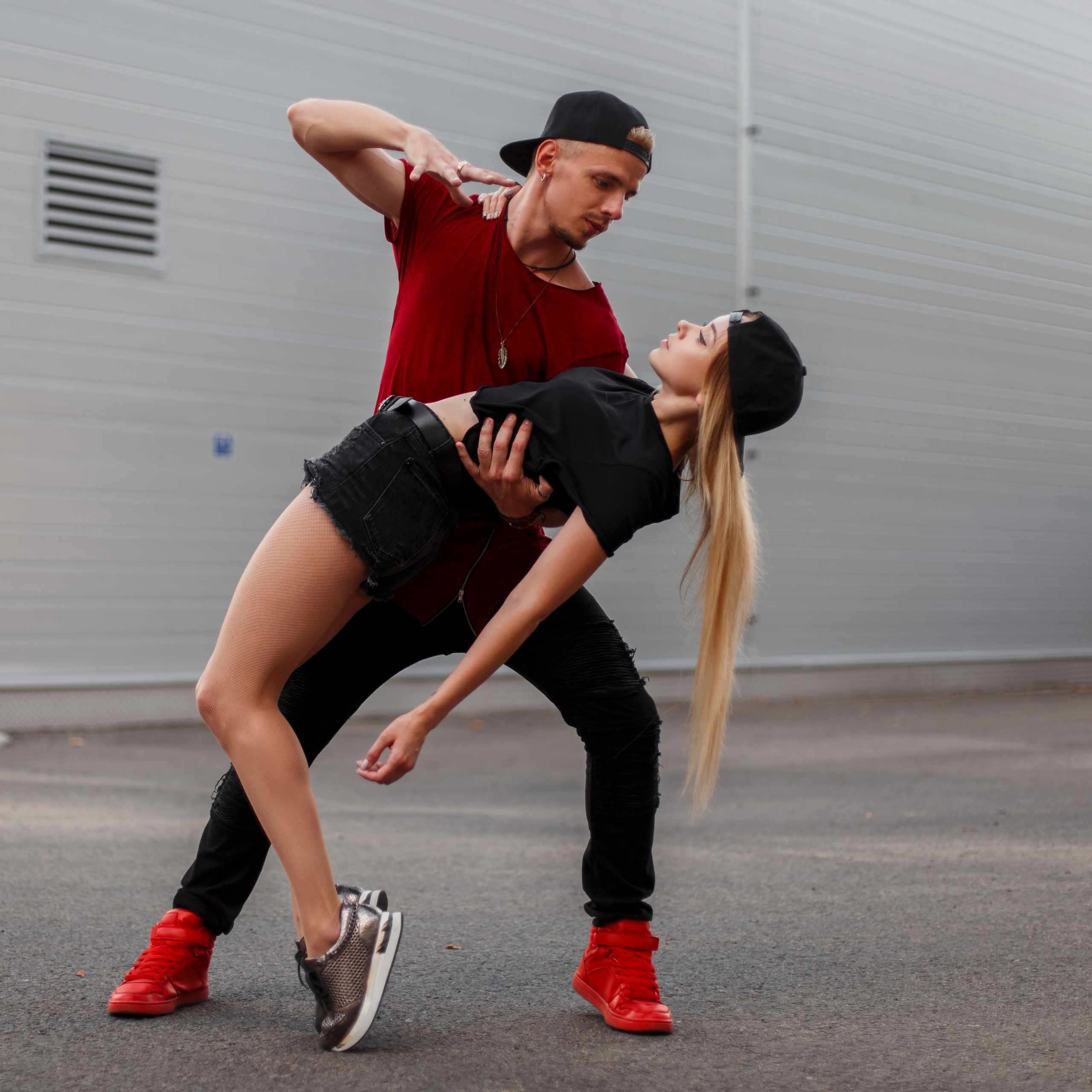
A Beginner Guide to Connecting Arms, Torso, and Footwork
One of the most common struggles dancers encounter, especially at the beginner level, is coordinating movement throughout the body. For instance, it often seems easy to learn the steps of…
-
How to Count Music While Learning a Short Dance Combination
Choose a piece of music that has a clear beat and, setting the choreography aside for now, begin counting out loud on that beat. Start from one and count up…
-
Why Contemporary Dance Feels Stiff at First and Where to Release Tension
When you learn a contemporary dance combination, one of the most common challenges is learning to move in the quality, which can leave the body feeling stiff and tight. Contemporary…
The choreography stopped feeling like one long sequence.
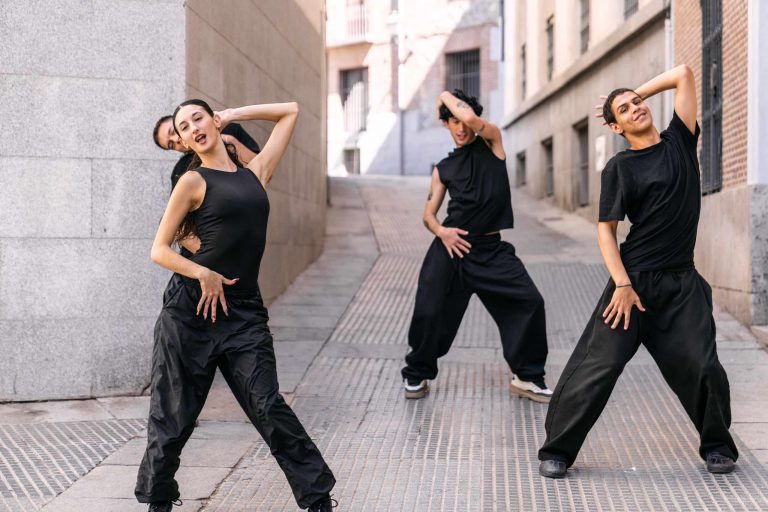
Breaking the combination into short phrases helped me understand which foot was supporting my weight and where each transition began. I could repeat the sections more calmly instead of trying to remember everything.

I finally noticed why my turns
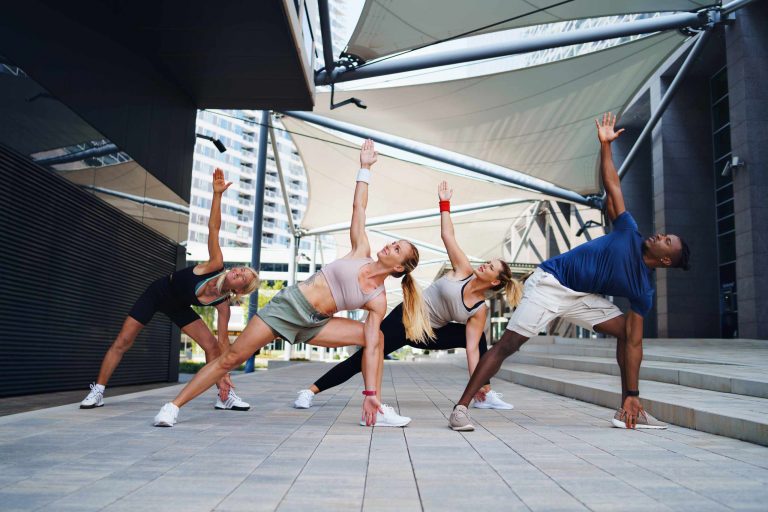
felt rushed.Slowing down the preparation made a big difference for me. I started paying attention to my supporting foot and balance before the pivot, which made the movement feel much more organized.

Counting the music made the steps much clearer.
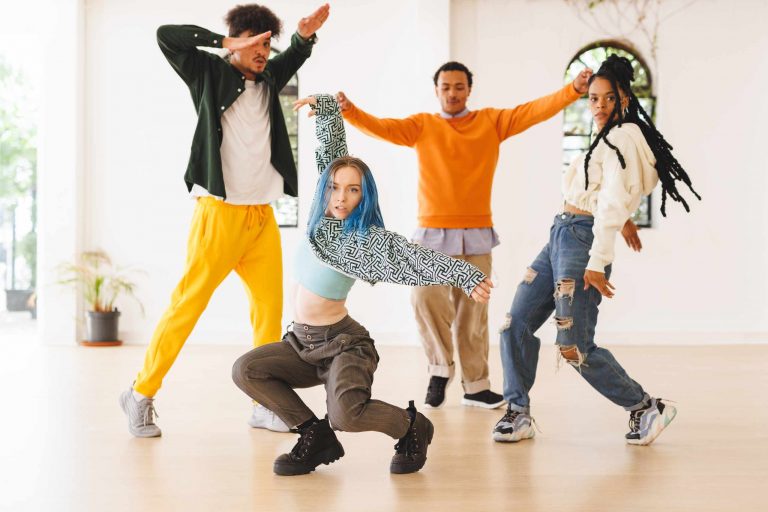
I used to copy the shape of a movement and lose the timing. Practicing the same phrase with counts helped me hear the accents and connect my arms, torso, and steps without stopping between them.

Practice The Path Before The Speed
Contemporary movement becomes easier to organize when you know where the body is traveling, which foot carries the weight, and how one action leads into the next. Marking choreography at a slower pace gives you space to check alignment, reduce unnecessary shoulder tension, and connect transitions before dancing the full phrase.